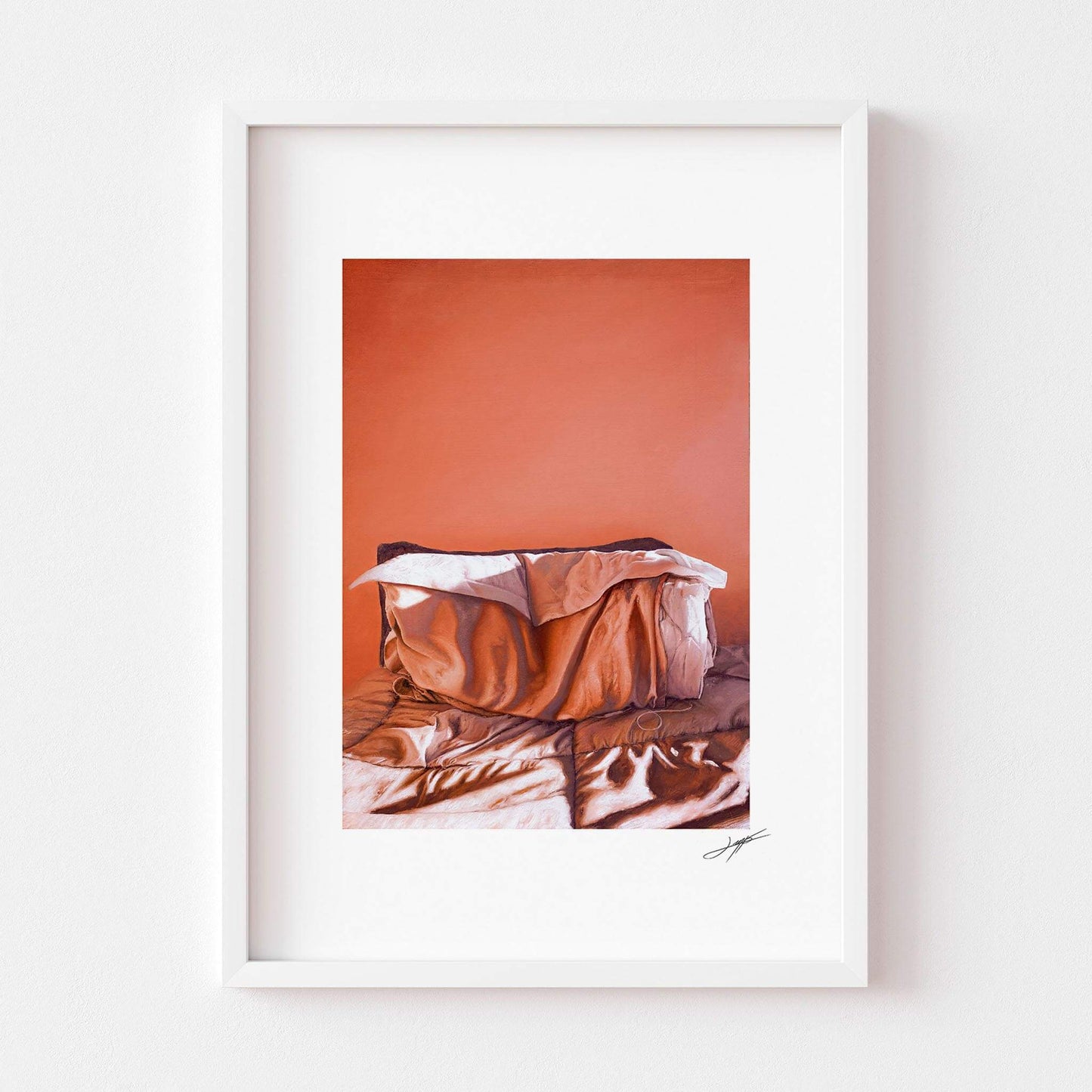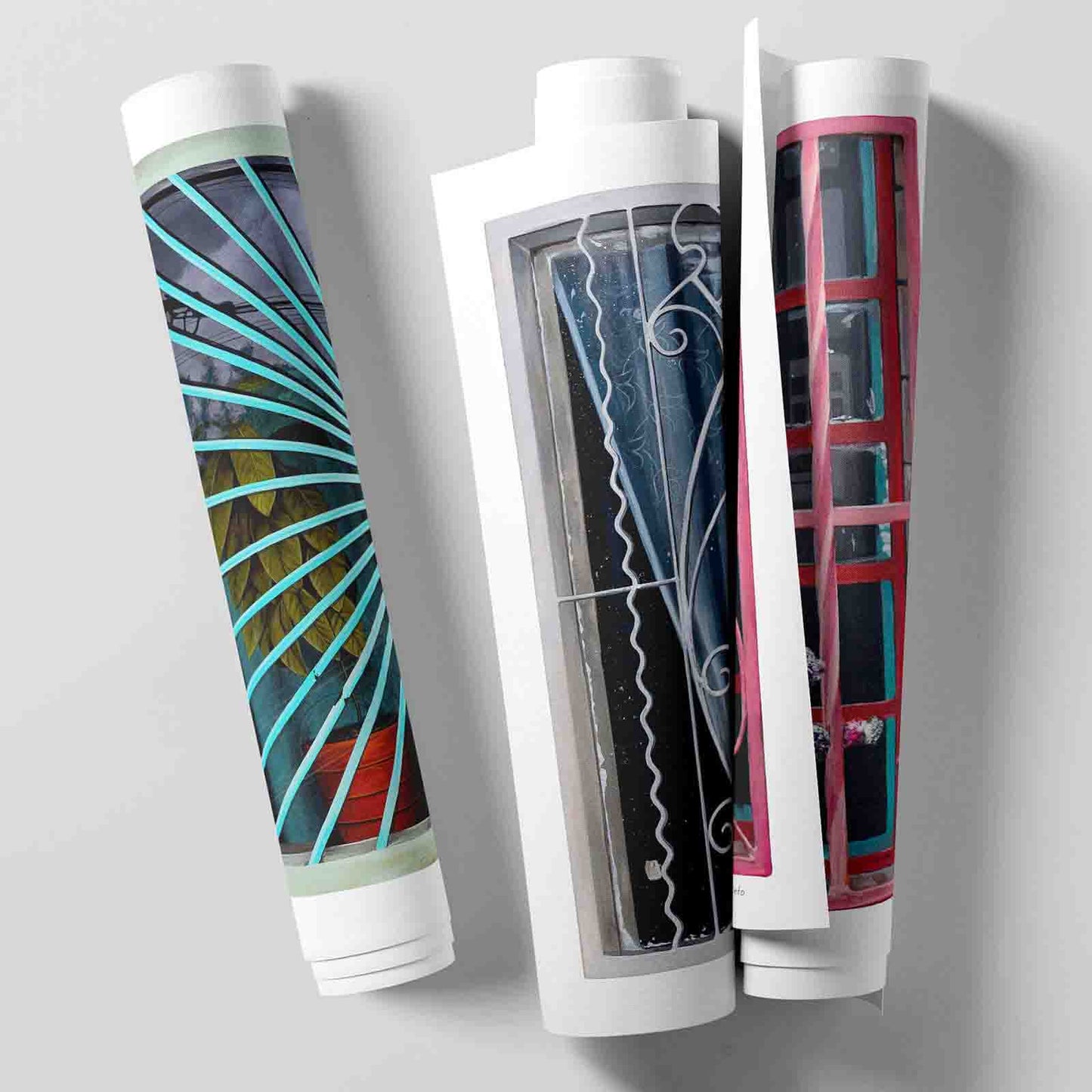

10% off all print pairs and print sets. Shop today and make your walls unforgettable.
You’ve finally found the perfect piece of art. Maybe it’s a bold contemporary print from a Latin American artist, a nostalgic vintage painting or a vibrant abstract artwork that instantly lifts the mood of your room. You bring it home, lean it against the wall… and there it stays. Days pass. Weeks pass. Months pass.
Sound familiar?
Hanging art can feel surprisingly daunting. The fear of crooked frames, unnecessary holes, or getting the height wrong stops many people in their tracks. The good news? Learning how to hang pictures is far easier than it seems, and once you understand the basics, the same principles apply whether you’re hanging a single print or creating a full gallery wall.
This guide will walk you through how to arrange and hang art with confidence. From deciding the right height to understanding wall types and fixings, you’ll soon be ready to turn blank walls into beautifully curated spaces that do justice to your artwork.

How High Should You Hang a Picture?
There’s a reason you often hear about a ‘height rule’ for hanging art, and that’s because it works. The widely accepted guideline is that the centre of your artwork should sit at around 57 to 60 inches (145-152 cm) from the floor, which corresponds to average eye level.
That said, this isn’t a rigid formula. Think of it as a starting point rather than a strict law. Every room is different, and factors such as ceiling height, furniture placement and existing artworks all play a role.
For example:
• In rooms with low ceilings, hanging art slightly lower can make the space feel more grounded.
• In rooms with high ceilings, artworks may need to sit a little higher to feel balanced.
• If your art is part of a group or gallery wall, the centre of the entire arrangement (not each individual piece) should sit at eye level.
The most important thing is to trust your eye. Step back, take a look and adjust if needed. Art should feel natural in its environment, not forced into a formula.

Hanging Art Above Furniture
Placing art above furniture is one of the most common, and most misunderstood, design challenges.
Art Above a Sofa
When hanging art above a sofa, safety and proportion are key. Leave 6 to 10 inches between the top of the sofa and the bottom of the frame. Any lower and you risk bumping your head; any higher and the artwork may feel disconnected from the furniture.
Art Above Sideboards, Consoles or Chests
For furniture like sideboards or cabinets, aim for about 8 inches of space between the furniture and the artwork. This creates a visual connection between the two, making them feel like part of the same design story.
Think of your furniture and art as companions rather than strangers. When spaced correctly they work together to create a harmonious and intentional look, perfect for showcasing expressive art prints full of colour and character.

How to Create a Gallery Wall That Actually Works
Gallery walls are a fantastic way to display multiple artworks, especially if you collect prints from different artists or want to tell a visual story. But without planning, they can quickly become chaotic.
Plan Before You Drill
Always lay your artworks out on the floor first. Start with your largest piece and build around it, experimenting with spacing and layouts. If you’re worried about damaging your art prints, cut paper templates to size and arrange those instead.
Think of the Gallery Wall as One Artwork
A gallery wall should feel cohesive. This doesn’t mean everything has to match, but colours, themes and frame styles should complement one another. Stop adding pieces when the arrangement feels complete, not when you’ve run out of wall space.
Take Into Account the Size of the Wall
Large walls need bold or multiple pieces to avoid looking empty. Small walls benefit from fewer, carefully chosen artworks. Balance is everything.
Looking for inspiration? Curated art collections are an easy way to build a gallery wall where every piece speaks to the others. Check out our Studio Parga curated collections here.

How to Arrange Pictures on a Wall: Dos and Don’ts
Do
• Hire a professional for very large or heavy artworks.
• Check room conditions; avoid humidity and heat in kitchens and bathrooms.
• Use a wall scanner to locate pipes, wires and studs.
• Match the wall to the weight of your art.
Don’t
• Hang art in direct sunlight, especially works on paper.
• Skip the spirit level; crooked art is surprisingly noticeable.
• Assume walls are straight; adjust slightly if needed so your art looks right to the eye.

How to Hang Art on Different Types of Wall
Before hanging anything, ask yourself three questions:
1. What type of wall is it?
2. How heavy is the artwork?
3. How large is the frame?
Your answers will determine the fixings you need.
Hanging Art on Plasterboard Walls
Lightweight Art
• Use picture hooks or nails.
• Can be hung anywhere on the plasterboard.
Heavy Art
• Use hollow wall anchors or screws fixed into studs or noggins.
• Requires locating structural support behind the wall.
What Are Studs and Noggins?
• Studs are vertical wooden supports.
• Noggins are horizontal supports between studs.
A wall scanner or stud detector will help you find them.
Hanging Art on Brick Walls
Brick walls are sturdy and versatile.
• Light to medium-weight art: Adhesive picture hanging strips (check weight limits).
• Heavy art: Wall plugs and screws provide maximum security.
Brick walls can be a beautiful backdrop for bold, graphic art prints and colourful contemporary pieces.
Hanging Art on Tiled or Glass Walls
Avoid drilling whenever possible.
• Use adhesive hanging strips.
• Clean the surface thoroughly before applying.
This method is ideal for kitchens or bathrooms where tiles are common.

How to Hang a Picture Without Nails
Not keen on drills and holes? You have options.
Picture Hanging Strips
These use pressure-sensitive adhesive and Velcro-style fastenings. They’re easy to remove without damage, just be sure to pull downwards when removing, instead of outwards.
Lean Your Art
Leaning artwork against a wall creates a relaxed, modern look. It’s perfect for large prints, casual interiors and layering medium to small prints to create depth.
Use a Picture Shelf
Picture shelves allow you to rearrange and refresh your art whenever inspiration strikes, which is particularly ideal for collectors who love variety.
Install a Picture Rail
Picture rails are a classic solution that avoids wall damage. They’re especially common in older homes but are still widely available in modern designs.

A Little Extra: Top Tips for Hanging Art
Our Top 3 Tips
1. Tape a carrier bag under your drilling spot to catch dust.
2. Use Post-it notes to mark artwork positionings instead of a pencil.
3. Add a small blob of Blu-Tack behind the frame to stop it shifting over time.
Conclusion
Hanging art doesn’t need to be stressful. With a little planning, the right tools and trust in your instincts, you can create wall displays that truly lift your space. Whether you’re showcasing a single statement print or building a gallery wall filled with Latin American artistry, the way you hang your art makes all the difference.
Take your time, enjoy the process and remember, your walls are an extension of your personality. Make them count.
If you’d like more inspiration or have your own tips to share, we’d love to hear from you. Happy hanging!

Frequently Asked Questions About Hanging Art
How high should I hang wall art in my home?
The centre of any wall art is usually 57-60 inches from the floor, which is average eye level. This can be adjusted depending on ceiling height, furniture placement or if the artwork is part of a gallery wall.
What’s the best way to hang art above a sofa or bed?
Leave 6 to 10 inches between the top of the sofa or bed and the bottom of the frame. This keeps the artwork visually connected to the furniture without feeling cramped or awkward.
How do I create a gallery wall that looks cohesive?
Lay your artwork out on the floor first and plan the layout before hanging. Treat the gallery wall as one design by choosing pieces that share similar colours, themes, or styles.
What is the safest way to hang heavy artwork?
Use secure fixings suitable for the wall type, such as wall anchors for plasterboard or wall plugs and screws for brick walls. For very large or valuable pieces, professional installation is recommended.
Can I hang pictures without drilling holes in the wall?
Yes, adhesive picture hanging strips are a popular option for lightweight and medium-weight frames. You can also lean art against walls or use picture shelves or rails.
Is it safe to hang art in kitchens or bathrooms?
These rooms can be humid, which may damage artwork over time. If you hang art here, keep it away from steam and water and choose framed prints for better protection.
Should wall art be hung in direct sunlight?
No, direct sunlight can cause colours to fade, especially in paper prints. Use indirect lighting or picture lights instead to protect your artwork.
What type of wall fixing should I use for different walls?
The fixing depends on the wall and artwork weight. Light pieces suit hooks or adhesive strips, while heavier artworks need anchors or wall plugs and screws.
How do I stop my picture frames from moving or tilting?
Use a spirit level when hanging and place a small amount of Blu-Tack or museum putty behind the frame to keep it stable.
What’s the easiest way to refresh my wall art display?
Picture shelves and picture rails allow you to change and rearrange your artworks easily without adding new holes to your walls.