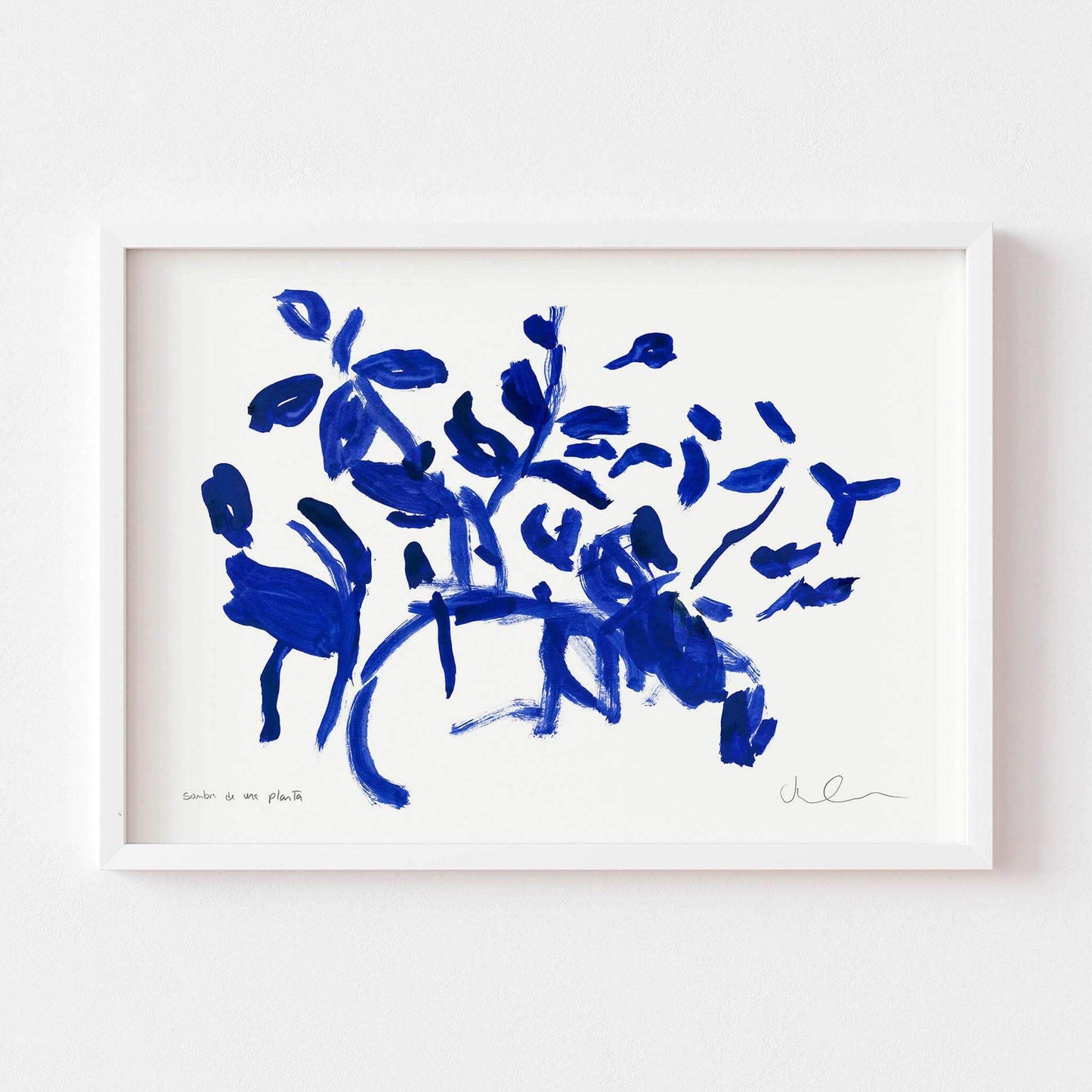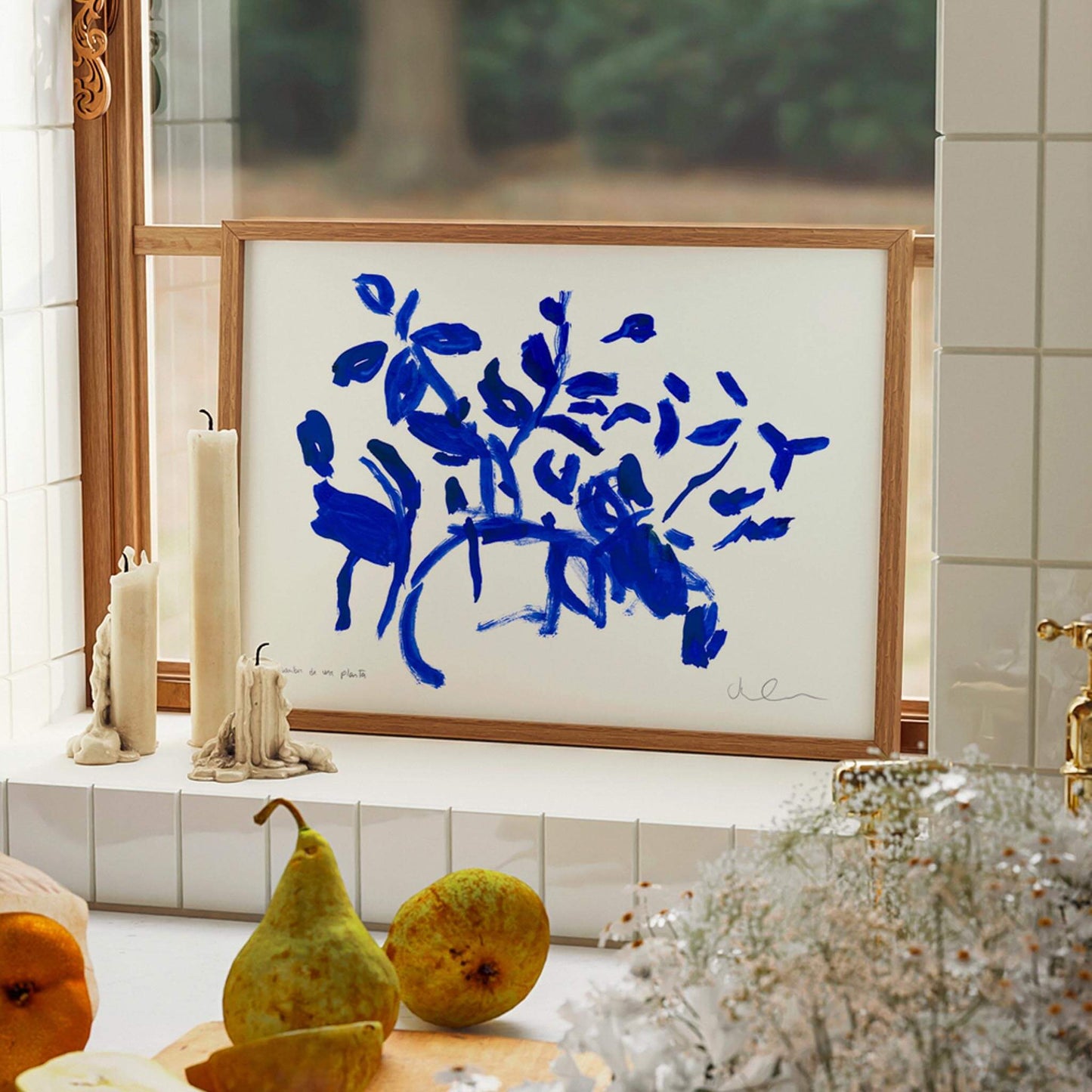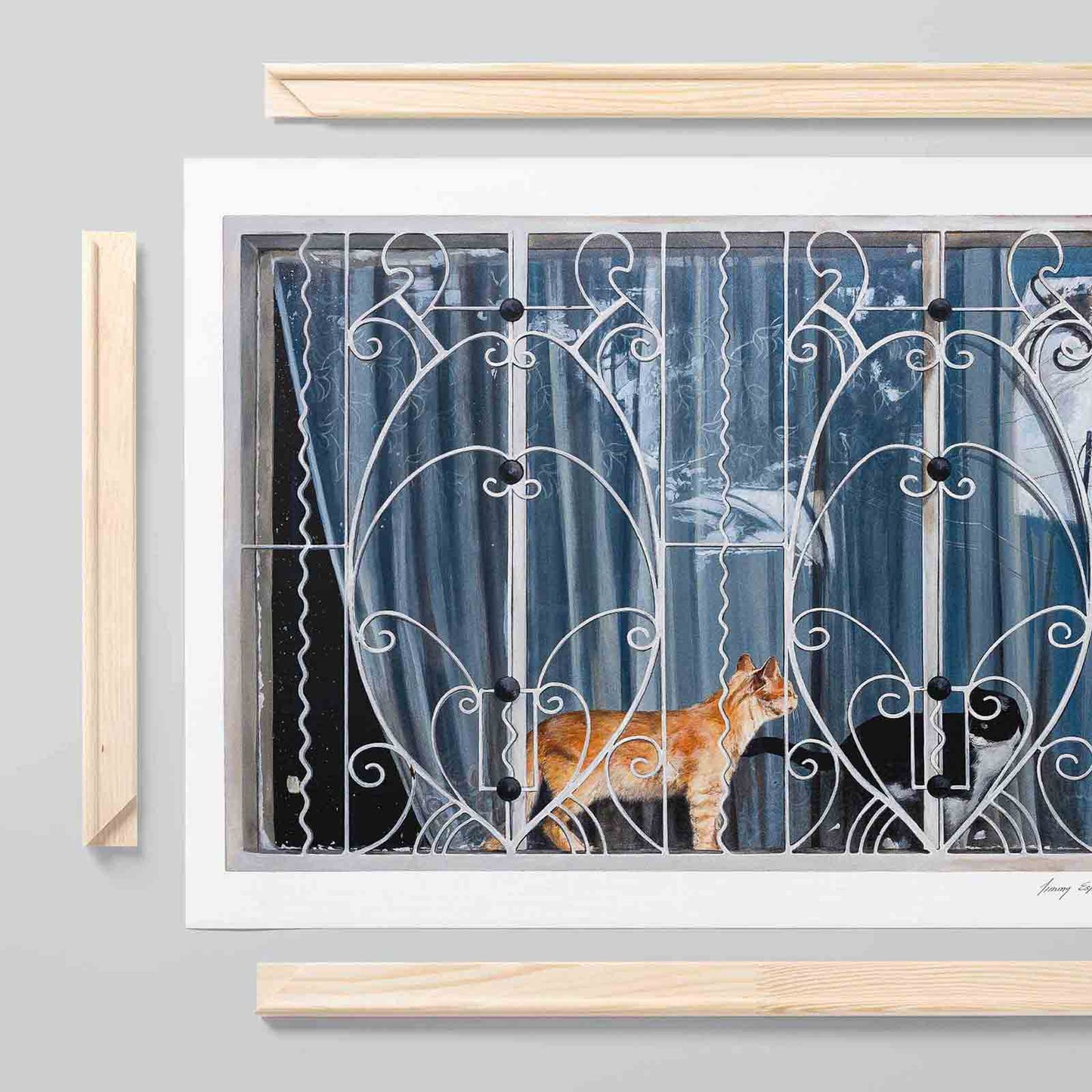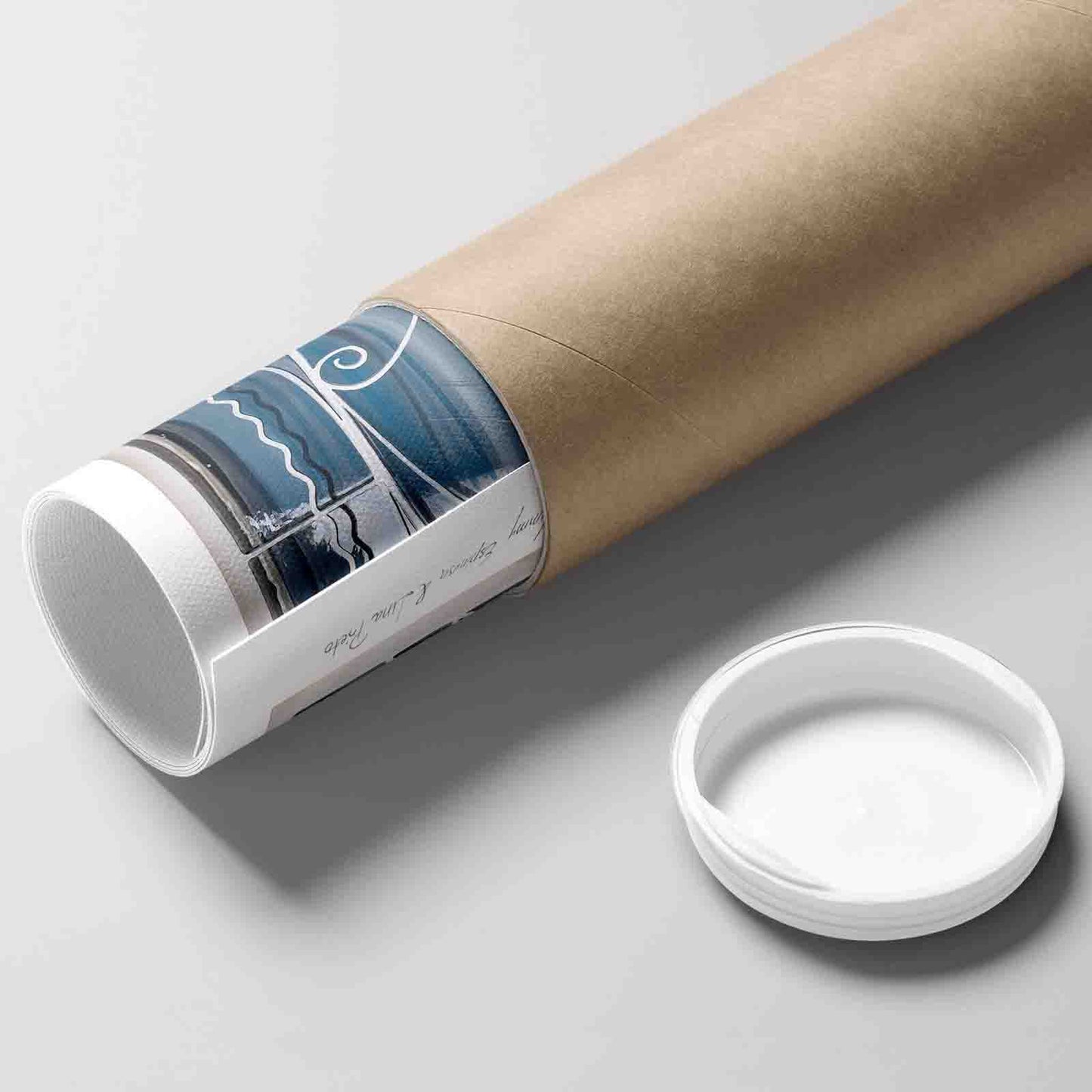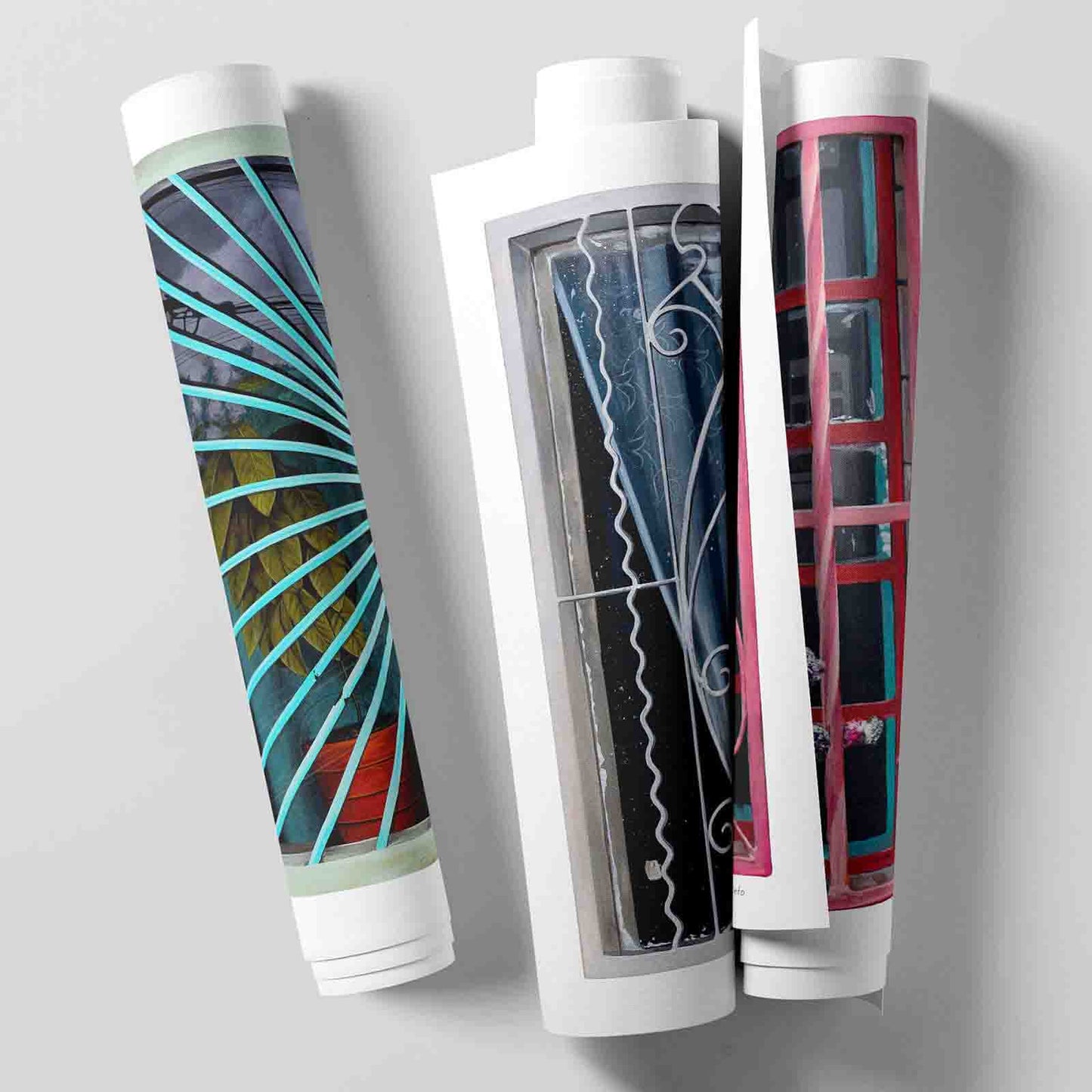

10% off all print pairs and print sets. Shop today and make your walls unforgettable.
Starting an art print collection can feel daunting. Like a mysterious activity reserved only for a select few, guided by experience in art history and a life shaped by connections in high culture. But it needn’t be like this. Like most things in life, by shaking off misplaced ideas about who in society should be doing what, art prints prove an accessible and uniquely rewarding way to bring personality, inspiration and ideas into your home.
To help you along the way, we’ve gathered together a few fundamentals to guide you on your journey in visual storytelling. So whether you’re new to collecting or hoping to build a meaningful art display without spending a fortune, our key steps will help you collect art prints the right way.
The right way? Yes. With a focus on quality prints that speak to you personally and with which you’ll spend a lifetime of joy.

Why Start an Art Print Collection?
Art isn’t just about decoration. It’s also a reflection of you, that is, your experiences, tastes, hopes, dreams and identity. Beginning a collection is a way of surrounding yourself with pieces that inspire you in your everyday life, prints that spark conversation and create a home that feels uniquely yours. What’s more, art prints by emerging artists are more accessible than ever before, making starting a collection easier, more enjoyable and more affordable than many people imagine.
So, where should you start when building an art collection?
Step 1. Set Your Intentions and Budget
Before you begin browsing artworks, decide what type of collection you’d like to build and how much you’re willing to spend. Art collecting doesn’t require a huge budget to be rewarding and thoroughly enjoyable. You can start with modest pieces and grow your collection over time, adapting your tastes and interests as you grow as an individual.
Setting a budget also helps you to focus on pieces you love. The danger of not setting a budget and not knowing what you’re looking for is that you’re more likely to make impulse buys or purchase trendy pieces you’ll feel little or no connection with later. When this happens, you’ll quickly tire of your art and find yourself filled with regret instead of inspiration.
Decide What You Love and Why
Ask yourself:
• What techniques speak to you; is it collage, typography, photography or painting?
• Do you prefer a particular style, such as minimal, colourful, abstract or monochrome prints?
• Are you collecting for emotional connection or future value?
As you answer these questions, remember that art prints are objects to be lived with. Choosing art that resonates with you is much more important than chasing trends or hype.

Step 2. Start Small and Explore
One of the best ways to begin collecting is to start small. Prints, especially quality reproductions and limited editions, are affordable, easy to display and make great foundational pieces in a new art collection.
Small Prints Add Big Personality
Not every artwork has to be a gallery-sized statement piece. Small and medium-format art prints are great choices as they’re more versatile:
• Perfect for propping on shelves or creating a gallery wall
• Great for gathering a mix of styles and artists
• Easy to rotate or replace as your taste evolves
Collectors on a budget can build a striking display by layering smaller prints together, creating rhythm and telling a story with how each work is displayed and where.
Step 3. Research Art and Artists
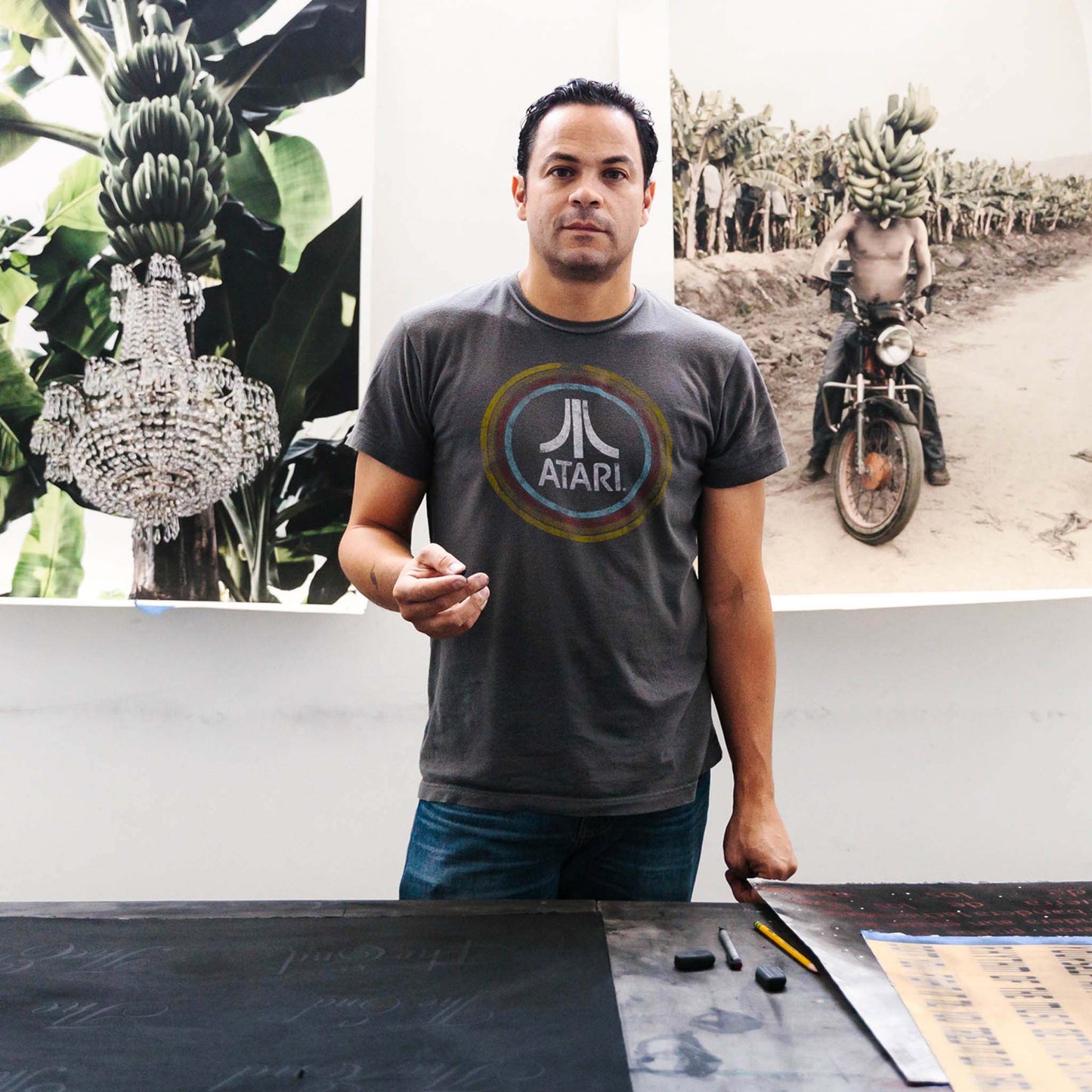
Research helps you make an informed decision when buying and curating your collection; you’ll learn to spot a fair price and a bona fide dealer or store. But research is also more than this. Artists can take years to develop a style, an idea, and sometimes, a single work of art. There’s no bigger compliment to an artist than a collector who’s taken the time to learn something about their work. As Studio Parga artist Daniel Acuña once told us, “The best thing about being an artist is feeling that someone connects with your work. Like there’s a meeting of minds. It’s this encounter that is by far the most gratifying thing about being an artist.”
Artists work from a place of human experience and collectors should too. Understanding more about an artist and the artwork you collect will enhance your connection with a piece. Before long, you’ll see how this knowledge brings your home to life as your walls are filled not only with art, but also conversations, perspectives, anecdotes and stories.
Where to Find Information
You can research artists through:
• Exhibition catalogues and online artist profiles
• Social media and designer portfolios
• Art fairs and local gallery events
• Open studios and workshops
Being informed gives context to your art-collecting story and takes your collection from one of objects to stories.

Step 4. Choose Pieces You Truly Love
We understand. It’s tempting to buy art based on trends or advice from those who are ‘in the know’. But the best collections are rooted in personal connection. Choose works that make you smile, think, feel or simply yell out “YES!” in a moment of unbridled joy. Pieces you connect with will continue to delight you over time, long after trends fade into obscurity.
Step 5. Understand Art Print Quality
Not all prints are created equal. When collecting, it’s important to consider print quality, paper type and production technique. Look out for:
• Archival papers
• UV-resistant pigment inks
• Limited-edition prints
These will help prints to hold their value longer and look better over time. Investing in quality means your collection will remain vibrant and bring you a lifetime of joy. Cut on costs and quality, and you’ll find your art fading and the paper yellowing in a few short years.
Step 6. Keep Documentation and Care for Your Pieces
Keep all receipts, certificates of authenticity and details that attest to the provenance of your print in a safe place. Whether you’ve bought to invest or not, these details might be needed in the future and proper documentation will make your collection easier to insure, appraise or sell in the future.
Protect Your Prints
• Avoid direct sunlight to prevent fading
• Use UV-protective glass when framing
• Dust gently with a soft cloth
• Handle prints by the edges or frame
Taking care of your art will ensure that it continues to look great over the years and retain value throughout your lifetime.

Step 7. Display With Purpose
Ever heard of freeports? They’re maximum-security storage facilities for the rich to store their high-value art in. Exempt from customs duties, these sites allow buyers to maximise their return on investment and keep their booty safe. ‘But what about enjoying the art that’s in it?’ we hear you cry! At Studio Parga we believe that art should be seen and appreciated. If you love the look of something, make sure you can see it every day.
Which brings us to displaying your prints with consideration and a little planning. Looking for ideas? Here are some avenues for you to try:
• Gallery walls with a consistent colour or theme make for cohesive groupings
• Mixed sizes and orientations add dynamism and energy to a space
• Statement prints shine when given space to breathe; surround with a generous serving of wall space
• Print pairings create rewarding visual dialogues
• Layer with decor that accentuates the colours, patterns and themes in your collection.
Popping a print on a wall shouldn’t be a decorative afterthought. Be sure to make sure you consider proportions and surroundings when displaying your collection, so that it feels natural, considered and curated.
Step 8. Connect with the Art Community
Joining local art groups, subscribing to artist newsletters or attending open studio events can deepen your understanding of art and help in your endeavours to discover emerging talent. These communities are great for hearing about new releases or limited-edition prints that would fit beautifully into your collection. And don’t forget, there’s a huge amount of pleasure to be found in creating human connections in life, particularly with artists. I guarantee you’ll find it both rewarding and fulfilling.

Step 9. Be Patient and Enjoy the Process
Skipping back to Studio Parga artist Daniel Acuña ( because he’s oh so very good at saying exactly what we’re thinking), we asked him why he thinks it’s important to have art in the home, and his answer bowled us over: “Because when I look at the artworks I’ve collected over the years, it’s like reconnecting with former versions of myself. It’s like remembering who I am and where I’ve come from, where I’ve been. It grounds me.”
Daniel highlights the fact that building an art collection doesn’t happen overnight. Collections evolve over time and are shaped by our changing tastes and experiences. Each piece you add tells a story and marks a moment in your personal creative expression.

Conclusion. Start Collecting with Confidence
Starting an art print collection, especially one centred around expressive Studio Parga prints, is a rewarding way to personalise your space and celebrate your own style and interests. Begin with art you love, learn about each piece, protect your prints and display them with pride. Have patience and exude passion, and your collection will grow into a meaningful gallery before your very eyes. And above all else, enjoy the journey.
FAQs About Starting an Art Print Collection
1. What’s the best way to start an art collection on a budget?
Start with quality prints from emerging artists and small-format pieces that fit your space and budget.
2. How important is art print quality?
Very. Archival materials and UV-resistant inks help preserve colour and conditions over time. Buy anything cheaper and you’ll find yourself faced with a faded and yellowing artwork.
3. Should I buy art for investment or personal joy?
Beginners should focus on the pieces they genuinely love. Joy is at the heart of any meaningful collection and will help you navigate away from fading fads and inflated prices.
4. How do I display my art prints effectively?
When hanging your art prints for maximum impact, think about varying sizes, cohesive subjects or colours, and lighting that will make your artworks pop.
5. Can I mix art print types in my collection?
Absolutely! Mixing limited editions, photography, collage, typographic prints and graphic design creates visual interest and reflects your personal style.